Recognizing Signs and symptoms to protect you child this winter
At Clarius Health, we prioritize the well-being of your children, and we believe that knowledge is a powerful tool in safeguarding their health. In this blog post, we aim to shed light on Respiratory Syncytial Virus (RSV), a common viral infection that can affect children, particularly infants and toddlers. Understanding the signs and symptoms of RSV is crucial for early detection and prompt intervention. Let’s explore what RSV is, its symptoms, and what steps you can take if you suspect your child may be affected.
What is RSV?
RSV, or Respiratory Syncytial Virus, is a contagious virus that affects the respiratory tract. It is prevalent and can cause mild cold-like symptoms in older children and adults. However, it can be more severe, especially in infants and young children, as their immune systems are still developing. It is responsible for 80% of bronchiolitis admissions in babies and this week we hit record hospital admissions with it.
Signs and Symptoms:
| 1. | Coughing and Sneezing: |
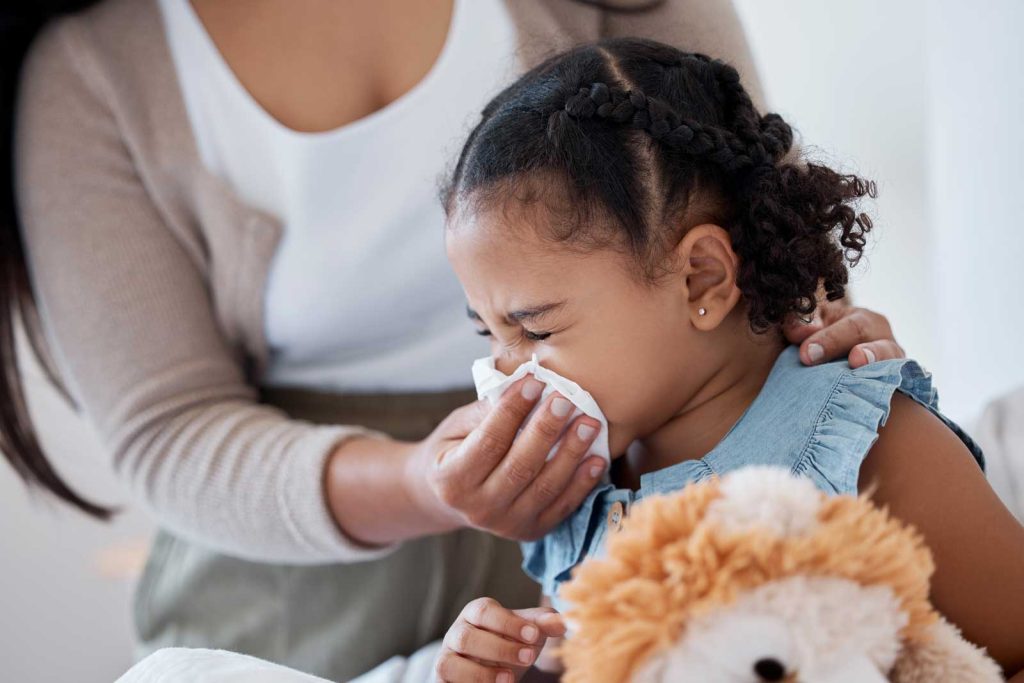
| RSV often starts with symptoms similar to the common cold, such as a runny or stuffy nose, sneezing, and coughing. | |
| 2. | Fever: |
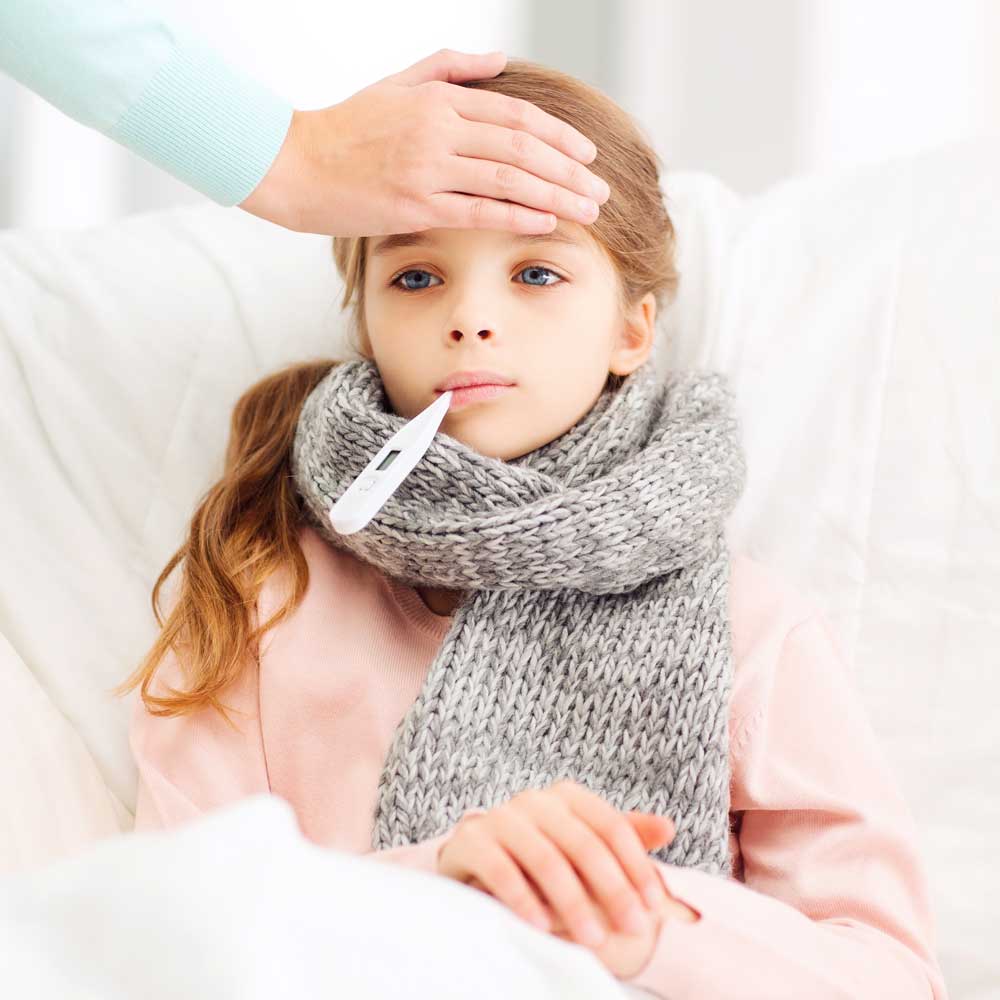
| A fever may accompany RSV. It’s essential to monitor your child’s temperature and seek medical advice if it persists. | |
| 3. | Difficulty Breathing: |
| As the infection progresses, RSV can lead to more severe respiratory symptoms, including rapid or labored breathing. Pay close attention to any signs of breathing distress. | |
| 4. | Wheezing: |
| Wheezing, a high-pitched whistling sound while breathing, can be indicative of RSV-related respiratory distress. | |
| 5. | Irritability and Fatigue: |
| Infants with RSV may become irritable, fussy, or unusually tired. Watch for changes in your child’s behaviour. |
What to Do if You Suspect Your Child Has RSV:
| 1. | Seek Medical Attention: |
| If your child is displaying symptoms of RSV, it is crucial to consult a healthcare professional promptly. Early intervention can prevent complications. | |
| 2. | Monitor Breathing: |
| Keep a close eye on your child’s breathing patterns. If you notice any signs of respiratory distress, such as rapid breathing or wheezing, seek medical attention immediately. | |
| 3. | Hydration is Key: |
| Ensure your child stays well-hydrated, as this can help alleviate some symptoms and prevent dehydration, especially if they have a fever. | |
| 4. | Isolate the Child: |
| Given that RSV is highly contagious, take measures to prevent the spread of the virus. Keep your child away from others, particularly infants and individuals with weakened immune systems. |
Conclusion: